
The lorry driver shortage: why recruitment efforts are failing and what needs to change
The lorry driver shortage: why recruitment efforts are failing and what needs to change

The logistics industry is in crisis, and to be honest, I’m not surprised. A recent article in The i Paper (here) warns that efforts to attract new drivers has confirmed what many of us in the industry already know: we’re failing to attract enough new and younger lorry drivers. This isn’t just an inconvenience – it’s a serious problem that could derail infrastructure and housing projects, among many other industries. But let’s be real: this issue goes beyond construction. If we don’t fix the bigger problems around recruitment and retention, we’re all in trouble.
The reality of recruitment struggles
Back in 2021, the government launched skills ‘bootcamps’ to fast-track young drivers into the industry. Sounds great in theory, but here’s the kicker: nearly half (47%) of those who completed the programme either couldn’t find a job or decided to leave the profession altogether. I actually expected that number to be higher. Why? Because the way the industry operates doesn’t exactly scream “appealing career” to most young people.
Let’s talk about the hours. Lorry driving has never been a 9-to-5 job, and it never will be. If that’s what someone expects, then this just isn’t the job for them. That being said, we have to acknowledge that the long, unsociable hours can put a lot of people off. It’s no surprise that new recruits take one look at the job and decide to walk away.
I always suggest that people thinking about becoming a lorry driver spend a day out in a truck with an experienced driver before they commit. We’ve done this with a few keen recruits, and more often than not, they change their minds after seeing what the job actually involves.
Poor working conditions and lack of facilities
Now let’s talk about the elephant in the room – how badly drivers are treated. This is one of the biggest reasons companies can struggle to retain new talent. It’s all well and good getting people into the industry, but if we don’t give them a reason to stay, they won’t.
Drivers spend hours waiting at delivery points with no access to decent facilities – no clean toilets, no vending machines, sometimes not even a proper waiting area. Some major RDCs treat drivers like an inconvenience rather than a crucial part of their supply chain. How is that meant to attract people to the job? If we want to keep drivers, we need to start treating them with respect and providing better conditions.
Barriers to entry for new drivers
Even when young people do want to get into lorry driving, they’re often blocked by insurance companies. Many insurers refuse to cover drivers with less than two years of experience or slap ridiculous excess fees on them. That means many companies won’t take on new drivers because it’s just too expensive to do so.
So, what’s the solution? We need insurance reform. If we’re serious about getting new blood into the industry, we need to make it easier for them to get a foot in the door. Maybe that means offering subsidised insurance for young drivers or creating proper mentoring schemes to help them gain experience safely.
An ageing workforce and the urgency for change
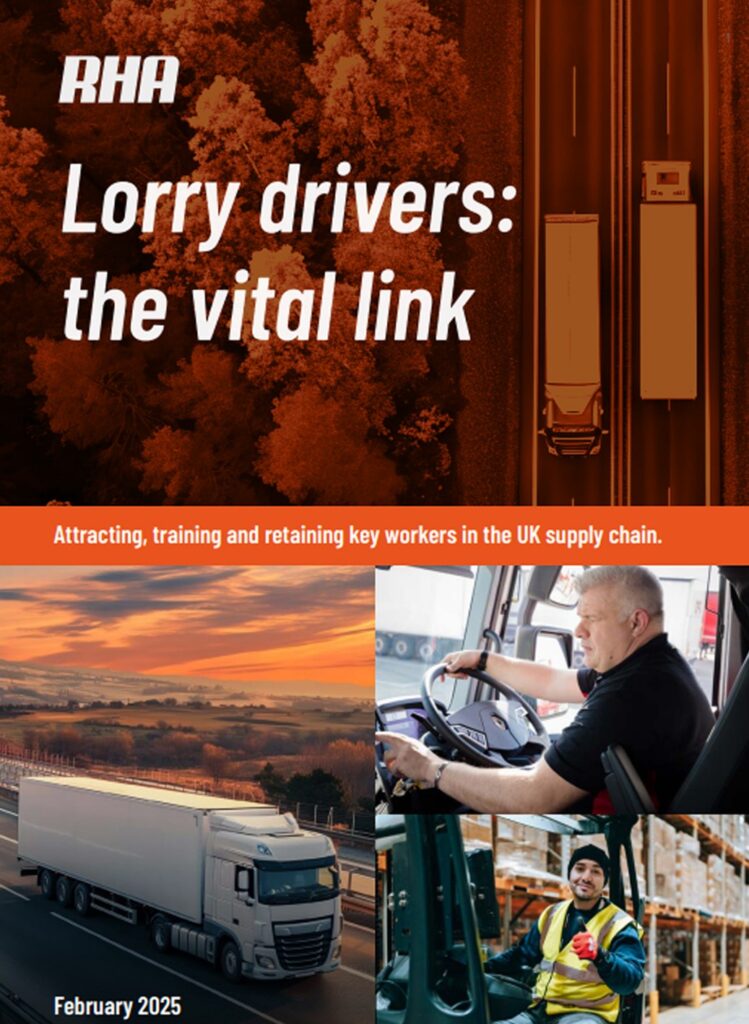
We’re also facing another problem: experienced drivers are retiring, and there aren’t enough young recruits to replace them. The Road Haulage Association (RHA) has warned that we need 200,000 more drivers over the next five years just to keep the industry running: https://www.rha.uk.net/news/news/detail/rha-report-200-000-hgv-drivers-needed-in-next-5-years
This isn’t just a logistics issue, it’s an economic one. If we don’t have enough drivers, deliveries slow down, costs rise, and businesses across all sectors suffer. Retail, manufacturing, construction – it all grinds to a halt without lorry drivers keeping things moving.
The way forward
Fixing this isn’t going to be easy, but here’s where we need to start:
- Set realistic expectations – Young drivers should know exactly what they’re signing up for before committing to training.
- Improve working conditions – Stop treating drivers like second-class citizens and start providing proper facilities at delivery points.
- Tackle insurance barriers – Make it easier (and more affordable) for companies to hire new drivers.
- Government support – Recruitment schemes are great, but they need to focus on retention too, not just getting people through training.
This is a complicated issue, and there’s no one-size-fits-all solution. But one thing is clear – if we don’t act now, things are only going to get worse. It’s time for the industry, insurers, and government to step up and make lorry driving a career worth choosing again.
I’ve barely touched the sides with everything that is wrong with our industry and who’s to blame for this. What do you think needs to change?